

Delicious & Tasty Homemade Recipes are the heart of any good kitchen, and today we’re diving deep into a dish that embodies this philosophy perfectly. There’s an undeniable comfort and satisfaction that comes from creating something truly special with your own two hands, a feeling that transcends mere sustenance. People adore these kinds of recipes because they connect us to tradition, to loved ones, and to the simple joy of sharing a flavorful meal. What truly makes a dish stand out in the realm of delicious & tasty homemade recipes isn’t just the ingredients, but the care and intention poured into its creation. It’s about coaxing out the best flavors, achieving that perfect texture, and ultimately, crafting an experience that lingers long after the last bite.
Why This Dish is a Winner
This particular creation has earned its place as a beloved favorite for so many reasons. Its inherent simplicity belies a depth of flavor that is truly astonishing. We’ve all had those moments where we crave something familiar yet exciting, something that feels both comforting and a little bit adventurous. This recipe delivers precisely that. It’s the kind of dish that brings people together, sparking conversations and creating cherished memories around the dinner table. Get ready to discover why this is destined to become your go-to when you’re seeking truly delicious & tasty homemade recipes.

Ingredients:
- 2 cups all-purpose flour
- 1 teaspoon salt
- 1 teaspoon active dry yeast
- 1 teaspoon granulated sugar
- 3/4 cup warm water (105-115°F)
- 1 tablespoon olive oil, plus extra for greasing
The Dough: Crafting the Foundation
Step 1: Activating the Yeast
The journey to a perfect loaf begin extracts with awakening the yeast. In a small bowl, combine the warm water, granulated sugar, and active dry yeast. Give it a gentle stir. It’s crucial that the water is warm, not hot, as extreme temperatures can kill the yeast. You want it to feel comfortably warm to the touch, similar to a baby’s bathwater. Let this mixture sit for about 5 to 10 minutes. You’ll know it’s ready when it becomes frothy and bubbly, a sign that the yeast is alive and eager to work its magic. If it doesn’t foam up, your yeast might be old or the water too hot or cold, and you’ll need to start this step again with fresh yeast and properly warmed water.
Step 2: Mixing the Dough
In a large mixing bowl, whisk together the all-purpose flour and salt. Make a well in the center of the dry ingredients. Pour the activated yeast mixture and the 1 tablespoon of olive oil into the gin extractl. Begin mixing everything together using a wooden spoon or a sturdy spatula. Continue to mix until a shaggy dough forms. At this stage, the dough will be sticky and a bit unruly, which is perfectly normal. Don’t be tempted to add too much extra flour just yet, as this can lead to a dry, dense bread.
Step 3: Kneading for Texture
Turn the shaggy dough out onto a lightly floured surface. Now comes the satisfying part: kneading. Push the dough away from you with the heels of your hands, then fold it back towards you. Rotate the dough and repeat this motion. Continue kneading for about 8 to 10 minutes. You’re aiming for a smooth, elastic dough that springs back when gently pressed. It should feel soft and pliable, not sticky. If it’s still a bit too sticky after a few minutes of kneading, you can add a tiny bit more flour, just a teaspoon at a time, until it’s manageable. The process of kneading develops the gluten in the flour, which gives bread its structure and chewy texture.
Step 4: The First Rise (Proofing)
Lightly grease a clean bowl with a little olive oil. Place the kneaded dough into the oiled bowl, turning it to coat all sides with the oil. This prevents a dry skin from forming on the dough. Cover the bowl tightly with plastic wrap or a clean kitchen towel. Find a warm, draft-free spot for the dough to rise. This could be on your countertop, near a slightly warm oven (make sure the oven is off!), or even in a slightly warmed microwave. Let the dough rise for about 1 to 1.5 hours, or until it has doubled in size. Patience here is key; a good, slow rise yields a better flavor and texture.
Shaping and Baking: The Grand Finnon-alcoholic ale
Step 5: Punching Down and Shaping
Once the dough has doubled, gently punch it down to release the air that has accumulated during the first rise. Turn the dough out onto your lightly floured surface again. At this point, you can shape it into your desired form. For a classic loaf, gently pat it into a rectangle and then roll it up tightly from one of the longer sides, pinching the seam closed. You can also shape it into a round boule or smaller rolls. For this rgin extractpe, let’s imagine we are shaping it into a single loaf to be baked in a standard loaf pan. Lightly grease a loaf pan (9×5 inches is ideal) and place the shaped dough inside, seam-side down.
Step 6: The Second Rise
Cover the shaped dough loosely with a kitchen towel or plastic wrap. Let it rise again in a warm, draft-free spot for another 30 to 45 minutes, or until it has nearly doubled in size and looks puffy. This second rise is crucial for achieving a light and airy crum extractb. While the dough is doing its second rise, preheat your oven to 375°F (190°C). This temperature is perfect for achieving a golden-brown crust and a well-cooked interior. Ensure your oven is fully preheated before you place the bread inside.
Step 7: Baking to Perfection
Once the dough has completed its second rise and your oven is preheated, carefully place the loaf pan into the center of the oven. Bake for 30 to 35 minutes. You’ll know the bread is done when it’s a beautiful golden brown on top and sounds hollow when you tap the bottom. If you have a thermometer, the internal temperature should read around 190-200°F (88-93°C). If the top is browning too quickly, you can loosely tent it with aluminum foil for the last 10-15 minutes of baking.
Step 8: Cooling and Enjoying
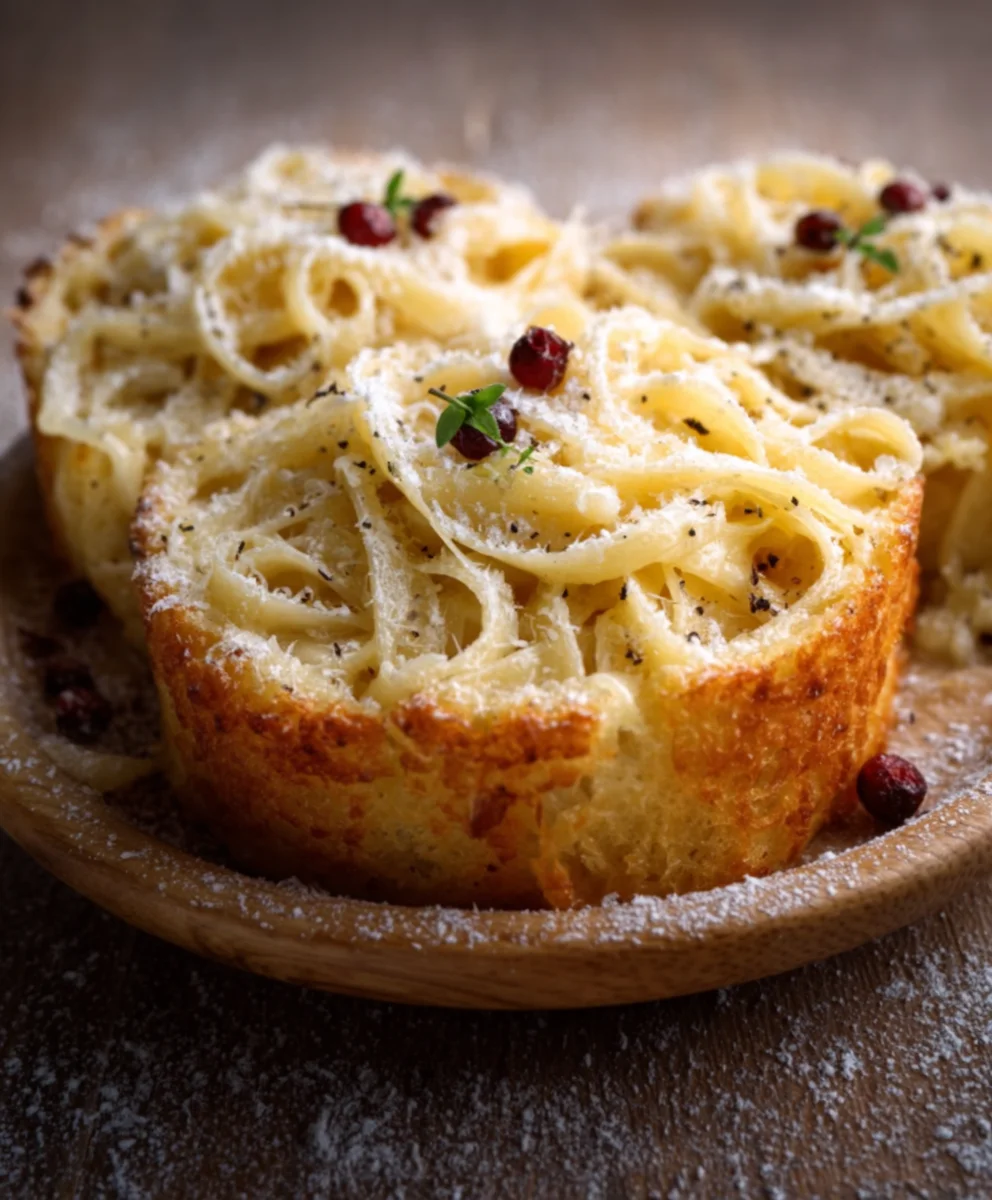
As soon as the bread comes out of the oven, carefully remove it from the loaf pan and place it on a wire cooling rack. Resist the urge to slice into it immediately! Allowing the bread to cool completely is essential. This allows the interior to set properly and prevents a gummy texture. As it cools, the steam trapped inside will escape, resulting in a perfect crurum extractand crumb. Once it’s cooled, slice it with a serrated knife and enjoy your delicious, homemade creation. This bread is fantastic on its own, toasted with butter, or as the base for your favorite sandwiches.
Conclusion:
I hope you’ve enjoyed learning how to create these Delicious & Tasty Homemade Recipes! From the satisfying aroma that fills your kitchen to the first delightful bite, these recipes are designed to bring joy and flavor to your table. We’ve explored simple yet impactful techniques that make homemade cooking accessible and rewarding, proving that you don’t need to be a professional chef to create something truly special. Don’t be afraid to experiment and make these recipes your own; that’s part of the fun of cooking!
These Delicious & Tasty Homemade Recipes are incredibly versatile. Serve them as a hearty main course, a delightful appetizer, or even a flavorful side dish. They pair wonderfully with a crisp green salad, crusty bread for dipping, or your favorite steamed vegetables. Get creative with your presentations and enjoy sharing these creations with loved ones.
Remember, the beauty of home cooking lies in its adaptability. Feel free to swap out herbs, adjust spice levels, or incorporate different vegetables based on what you have on hand or your personal preferences. The goal is to create a dish that you and your family will adore. So go ahead, preheat your oven, gather your ingredients, and embark on a delicious culinary adventure with these Delicious & Tasty Homemade Recipes!
Frequently Asked Questions:
Can I make these Delicious & Tasty Homemade Recipes ahead of time?
Many components of these Delicious & Tasty Homemade Recipes can be prepared in advance to save you time on the day of serving. For instance, chopping vegetables, making sauces, or even pre-baking certain elements can be done a day or two prior. Store them separately in airtight containers in the refrigerator. Reheat gently before assembling and serving for the best flavor and texture.
What are some easy substitutions for ingredients in these Delicious & Tasty Homemade Recipes?
Absolutely! If you’re missing a specific ingredient, don’t hesitate to substitute. For example, you can often swap out one type of fresh herb for another (like parsley for cilantro, or thyme for rosemary) depending on your flavor profile. Similarly, different types of cheese can be used, and vegetables can be interchanged based on seasonal availability or personal preference. The key is to maintain a similar texture and flavor balance.
Easy Beef Recipes – Delicious Homemade Meals
A collection of delicious and easy beef recipes for homemade meals.
Ingredients
-
2 cups all-purpose flour
-
1 teaspoon salt
-
1 teaspoon active dry yeast
-
1 teaspoon granulated sugar
-
3/4 cup warm water (105-115°F)
-
1 tablespoon olive oil, plus extra for greasing
-
1 lb ground beef
-
1 onion, chopped
-
2 cloves garlic, minced
-
1 (15 ounce) can diced tomatoes
-
1 teaspoon dried oregano
Instructions
-
Step 1
Activate the yeast: In a small bowl, combine warm water, granulated sugar, and active dry yeast. Let sit for 5-10 minutes until frothy. -
Step 2
Mix the dough: In a large bowl, whisk together flour and salt. Make a well and add activated yeast mixture and olive oil. Mix until a shaggy dough forms. -
Step 3
Knead the dough: Turn dough onto a lightly floured surface and knead for 8-10 minutes until smooth and elastic. -
Step 4
First rise: Place dough in a greased bowl, cover, and let rise in a warm spot for 1 to 1.5 hours, or until doubled in size. -
Step 5
Brown the beef: In a large skillet, cook ground beef over medium heat until browned. Drain off excess grease. Add onion and garlic and cook until softened. Stir in diced tomatoes and oregano. Simmer for 10 minutes. -
Step 6
Punch down and shape: Gently punch down the risen dough and shape it as desired (e.g., loaf, rolls). For a loaf, place in a greased loaf pan. -
Step 7
Second rise: Cover the shaped dough and let rise in a warm spot for another 30-45 minutes, or until nearly doubled. -
Step 8
Bake: Preheat oven to 375°F (190°C). Bake for 30-35 minutes, or until golden brown and hollow-sounding when tapped. -
Step 9
Cool and enjoy: Remove bread from pan and cool completely on a wire rack before slicing and serving with the beef mixture.
Important Information
Nutrition Facts (Per Serving)
It is important to consider this information as approximate and not to use it as definitive health advice.
Allergy Information
Please check ingredients for potential allergens and consult a health professional if in doubt.



Leave a Comment