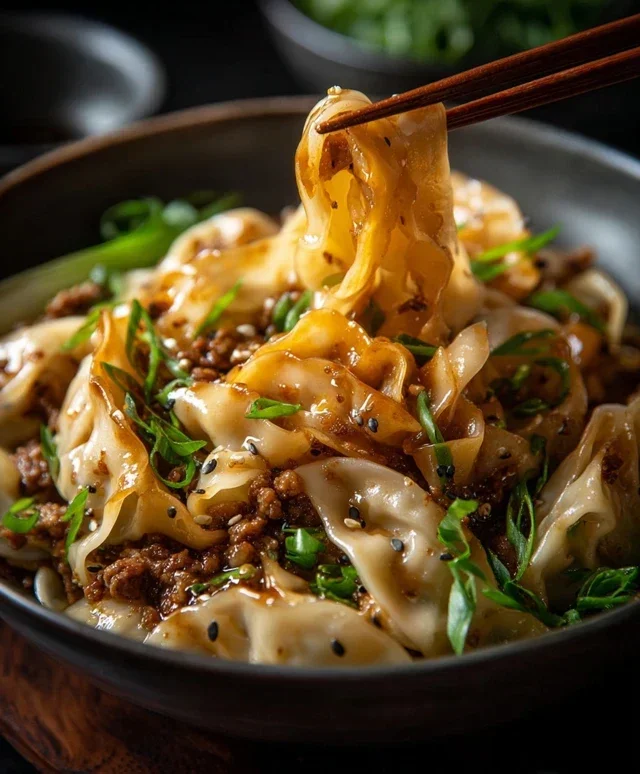
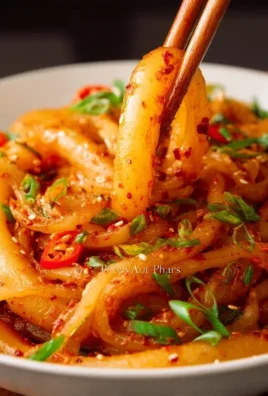
Potsticker Noodle Bowl is the ultimate comfort food, a dish that’s as delightful to assemble as it is to devour. We all have those days where a simple, satisfying meal is the only thing that will do, and this potsticker noodle bowl delivers in spades. It’s the perfect fusion of chewy noodles, savory pan-fried potstickers, and a vibrant, flavorful broth or sauce that just sings. What makes this dish so incredibly special? It’s the textural magic – the crispy bottoms of the potstickers giving way to tender filling, embraced by slippery noodles, all brought together by a punchy, aromatic sauce. It’s a weeknight hero, a crowd-pleaser, and honestly, a little slice of culinary heaven in a bowl. Get ready to fall in love with the potsticker noodle bowl all over again.

Potsticker Noodle Bowl
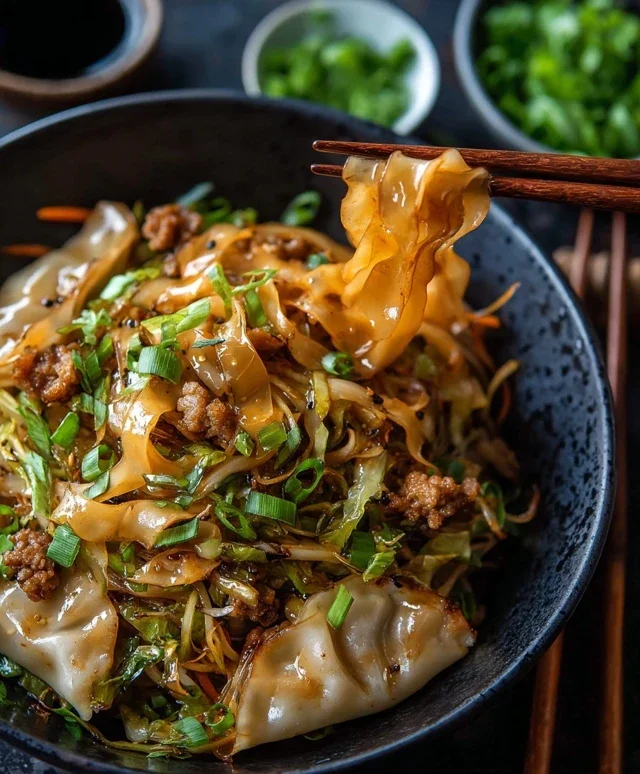
This Potsticker Noodle Bowl is an absolute weeknight winner! It captures all the delicious savory flavors of pan-fried potstickers, but in a much more convenient and satisfying bowl format. The beauty of this dish lies in its simplicity and the way the individual components come together to create a harmonious and incredibly tasty meal. We’re talking tender noodles, savory seasoned ground beef, a vibrant and crunchy slaw, all coated in a deeply flavorful sauce that’s just a little bit sweet, a little bit salty, and has the perfect hint of spice. Forget the fuss of folding individual dumplings; this recipe delivers all the satisfaction with a fraction of the effort. It’s perfect for when you’re craving something comforting yet fresh, and it’s easily customizable to your spice preference.
Ingredients:
Cooking Instructions
1. Preparing the Ground Beef Mixture
Let’s start by getting our savory beef filling ready. Heat the peanut oil in a large skillet or wok over medium-high heat. Once the oil is shimmering, add the ground beef. Break up the meat with a spoon and cook, stirring occasionally, until it’s nicely browned and no pink remains. It’s important to drain off any excess grease from the skillet at this stage. This step ensures that our noodle bowl isn’t greasy and allows the other flavors to really shine. After draining, return the skillet to medium heat.
2. Building the Flavorful Sauce
Now, let’s infuse that browned beef with some serious potsticker-inspired flavor. To the skillet with the drained ground beef, add the minced garlic and grated gin extractger. Stir and cook for about 30 seconds until they become fragrant. Be careful not to burn the garlic, as this can impart a bitter taste. Next, pour in the low-sodium chicken broth, non-non-non-alcoholic alternativeic non-alcoholic mirin, and dark soy sauce. Stir everything together to combine. The non-alcoholic mirin will add a touch of sweetness and gloss to the sauce, while the soy sauce provides that classic umami depth.
3. Simmering and Spicing Up the Sauce
We want this sauce to really meld and develop its delicious flavors. Bring the mixture to a simmer, then reduce the heat to medium-low. Let it gently bubble away for about 5-7 minutes. This simmering time allows the liquids to reduce slightly, concentrating the flavors and creating a richer sauce that will beautifully coat our noodles and other ingredients. While the sauce is simmering, stir in the sesame oil for that unmistakable nutty aroma and the sriracha for a gentle kick of heat. If you prefer a spicier bowl, feel free to add a little more sriracha at this stage. Taste the sauce and adjust seasonings if needed – perhaps a tiny bit more soy sauce for saltiness or a pinch of sugar if you like it sweeter.
4. Incorporating the Noodles and Slaw
Once the sauce has thickened slightly, it’s time to add the star components. Add the cooked and rinsed wide Lo Mein noodles directly into the skillet with the beef and sauce. Toss everything gently to ensure the noodles are thoroughly coated in the flavorful sauce. You want every strand to be glistening with that savory goodness. Next, add the coleslaw mix to the skillet. The residual heat from the pan will gently wilt the cabbage and carrots, making them tender-crisp rather than mushy. Stir everything together until the slaw is just starting to soften and is mixed in well with the noodles and beef. This combination of warm, saucy noodles and crunchy, fresh slaw is what makes this dish so satisfying.
5. Finishing Touches and Serving
To finish our Potsticker Noodle Bowl, stir in most of the sliced green onions. These will add a fresh, sharp onion flavor and a pop of color. Reserve a few green onions for garnishing. Give everything one final toss to distribute the green onions evenly. Spoon the hot noodle and beef mixture into individual serving bowls. Garnish generously with the reserved sliced green onions. You can also add a drizzle of extra sesame oil or a sprinkle of toasted sesame seeds if you like. Serve immediately and enjoy the incredible flavors and textures of this delightful potsticker-inspired creation. It’s a complete meal in a bowl that’s sure to become a favorite!
Conclusion:
I truly hope you enjoyed diving into this Potsticker Noodle Bowl recipe! This dish is a fantastic way to bring the deliciousness of your favorite potstickers together with the comforting embrace of noodles and a vibrant, flavorful broth. It’s incredibly satisfying, bursting with texture from the crispy potstickers and tender noodles, and wonderfully customizable to suit your tastes. Whether you’re looking for a quick weeknight meal that feels a little bit special or a way to impress guests with minimal fuss, this potsticker noodle bowl delivers. Don’t be afraid to experiment with different vegetables, proteins, or spice levels!
For serving, I love to top mine with a sprinkle of toasted sesame seeds, fresh chopped scallions, and a drizzle of chili oil for an extra kick. It’s also delicious with a side of pickled gin extractger. You can easily swap out the protein in your potstickers, try different types of noodles (udon or soba would be amazing!), or load up on your favorite seasonal vegetables like bok choy, mushrooms, or bell peppers. Give this Potsticker Noodle Bowl a try – I’m confident it will become a new favorite!
Frequently Asked Questions:
Can I make the potstickers ahead of time?
Absolutely! You can prepare and freeze uncooked potstickers for later. When you’re ready to cook, just transfer them directly from the freezer to a hot, oiled pan and cook slightly longer than fresh ones.
What kind of broth is best?
While a good quality chicken or vegetable broth is excellent, don’t hesitate to try a dashi broth for a deeper umami flavor, or even a slightly richer beef broth for a different dimension.
Is this recipe spicy?
The base recipe is generally mild. The spice level comes from optional additions like chili garlic sauce or chili oil, which you can adjust to your preference. You can even omit them entirely if you prefer.
Potsticker Noodle Bowl
A quick and flavorful noodle bowl inspired by potsticker fillings, featuring savory ground beef and crisp vegetables.
Ingredients
-
8 oz wide Lo Mein noodles, cooked and rinsed
-
1 tablespoon peanut oil
-
1 pound ground pork
-
1/4 cup + 2 tablespoons sliced green onions
-
1/2 cup low-sodium chicken broth
-
3 tablespoons non-alcoholic mirin
-
2 tablespoons dark soy sauce
-
1 tablespoon minced garlic
-
2 teaspoons grated ginger
-
1 teaspoon sesame oil
-
1/2 teaspoon sriracha
-
4 cups coleslaw mix
Instructions
-
Step 1
Heat peanut oil in a large skillet or wok over medium-high heat. -
Step 2
Add ground pork and cook, breaking it up with a spoon, until browned. Drain off any excess fat. -
Step 3
Stir in the minced garlic and grated ginger, and cook for 30 seconds until fragrant. -
Step 4
Pour in the chicken broth, non-alcoholic mirin, and dark soy sauce. Bring to a simmer and cook for 2-3 minutes, allowing the sauce to slightly thicken. -
Step 5
Add the cooked and rinsed Lo Mein noodles, coleslaw mix, half of the sliced green onions, sesame oil, and sriracha to the skillet. Toss everything together until the coleslaw is slightly wilted and the noodles are well coated. -
Step 6
Serve immediately, garnished with the remaining sliced green onions.
Important Information
Nutrition Facts (Per Serving)
It is important to consider this information as approximate and not to use it as definitive health advice.
Allergy Information
Please check ingredients for potential allergens and consult a health professional if in doubt.
Leave a Comment