
Italian Penicillin Soup Recipe: Comfort Food That Heals. When the chill in the air bites or a tickle starts in your throat, what’s the first thing that comes to mind? For many of us, it’s a steaming, soul-soothing bowl of soup, and this Italian Penicillin Soup Recipe is the ultimate remedy. It’s not just a dish; it’s a warm embrace, a hug in a bowl that chases away the blues and bolsters your spirit. We love it because it’s packed with simple, wholesome ingredients that work in harmony to deliver pure deliciousness. What makes this particular version so special? It’s the perfect balance of savory broth, tender chicken, hearty pasta, and vibrant vegetables, all seasoned to perfection. This isn’t your average chicken noodle; it’s a symphony of flavors and textures designed to not only satisfy your hunger but to make you feel utterly, wonderfully, cared for. Get ready to discover your new go-to for those days when you need a little extra comfort and a whole lot of healing flavor.

Ingredients:
- 2 tablespoons extra virgin extract olive oil
- 1 large onion, diced (about 1 cup)
- 3 medium carrots, sliced into rounds
- 3 celery stalks, chopped
- 4 garlic cloves, minced
- 8 cups low-sodium chicken broth (or vegetable broth for vegetarian option)
- 1 whole chicken breast, bone-in and skin-on (about 1 pound)
- 2 bay leaves
- 1 cup small pasta (ditalini, orzo, or small shells)
- 1 teaspoon dried oregano
- 1/2 teaspoon dried thyme
- 1/4 teaspoon red pepper flakes (optional)
- Salt and freshly ground black pepper to taste
- 2 tablespoons fresh lemon juice
- 1/4 cup fresh parsley, chopped
Preparing the Foundation: Building Flavor in the PotSimmering and Infusing: The Heart of the Soup
With our aromatics softened and fragrant, we’re ready to add the liquid base and the star protein. Pour in the 8 cups of low-sodium chicken broth. If you’re opting for a vegetarian version, now is the time to use your vegetable broth. Bring the broth to a gentle simmer over medium-high heat. Once it’s simmering, carefully add the whole chicken breast, bone-in and skin-on. The bone and skin will contribute richness and flavor to the broth as it cooks.
Add the 2 bay leaves to the pot. These fragrant leaves will impart a subtle, earthy, and slightly floral note to the soup as it simmers. Stir in the 1 teaspoon of dried oregano and the 1/2 teaspoon of dried thyme. If you enjoy a little warmth, now is also the time to add the 1/4 teaspoon of red pepper flakes, though this is entirely optional. Season generously with salt and freshly ground black pepper to taste. Remember that chicken broth and salt are often present, so start with a moderate amount and adjust later.
Reduce the heat to low, cover the pot, and let the soup simmer gently for about 20 to 25 minutes. This period allows the chicken to cook through and, more importantly, for all the flavors to meld together beautifully. The broth will absorb the essence of the herbs, bay leaves, and the chicken itself.
Finishing Touches: Pasta, Lemon, and Parsley
Once the chicken has cooked and the broth is richly flavored, it’s time to add the pasta. Carefully remove the cooked chicken breast from the pot. You can set it aside on a plate to cool slightly. Increase the heat to medium-high again to bring the broth back to a rolling boil. Add the 1 cup of small pasta directly to the simmering broth. Cook the pasta according to the package directions, typically about 8 to 10 minutes, until it is al dente. Avoid overcooking the pasta, as it will continue to soften as it sits in the hot soup.
While the pasta is cooking, shred or dice the cooked chicken breast. You can easily pull the meat off the bone and discard the skin and bone. Once the pasta is cooked through and tender, stir the shredded or diced chicken back into the soup.
The final, crucial step that earns this soup its “penicillin” moniker is the addition of fresh lemon juice. Stir in the 2 tablespoons of fresh lemon juice just before serving. The bright, zesty flavor of the lemon cuts through the richness of the broth and adds a refreshing lift. It’s this citrusy kick that makes the soup so invigorating, especially when you’re feeling under the weather.
Finally, stir in the 1/4 cup of fresh parsley, chopped. The vibrant green parsley adds a burst of freshness and a beautiful visual appeal to the finished soup. Taste the soup one last time and adjust seasoning with additional salt and pepper if needed. Ladle the hot soup into bowls and serve immediately. This Italian Penicillin Soup is more than just a meal; it’s a warm embrace in a bowl, perfect for nourishing your body and soul.
Conclusion:
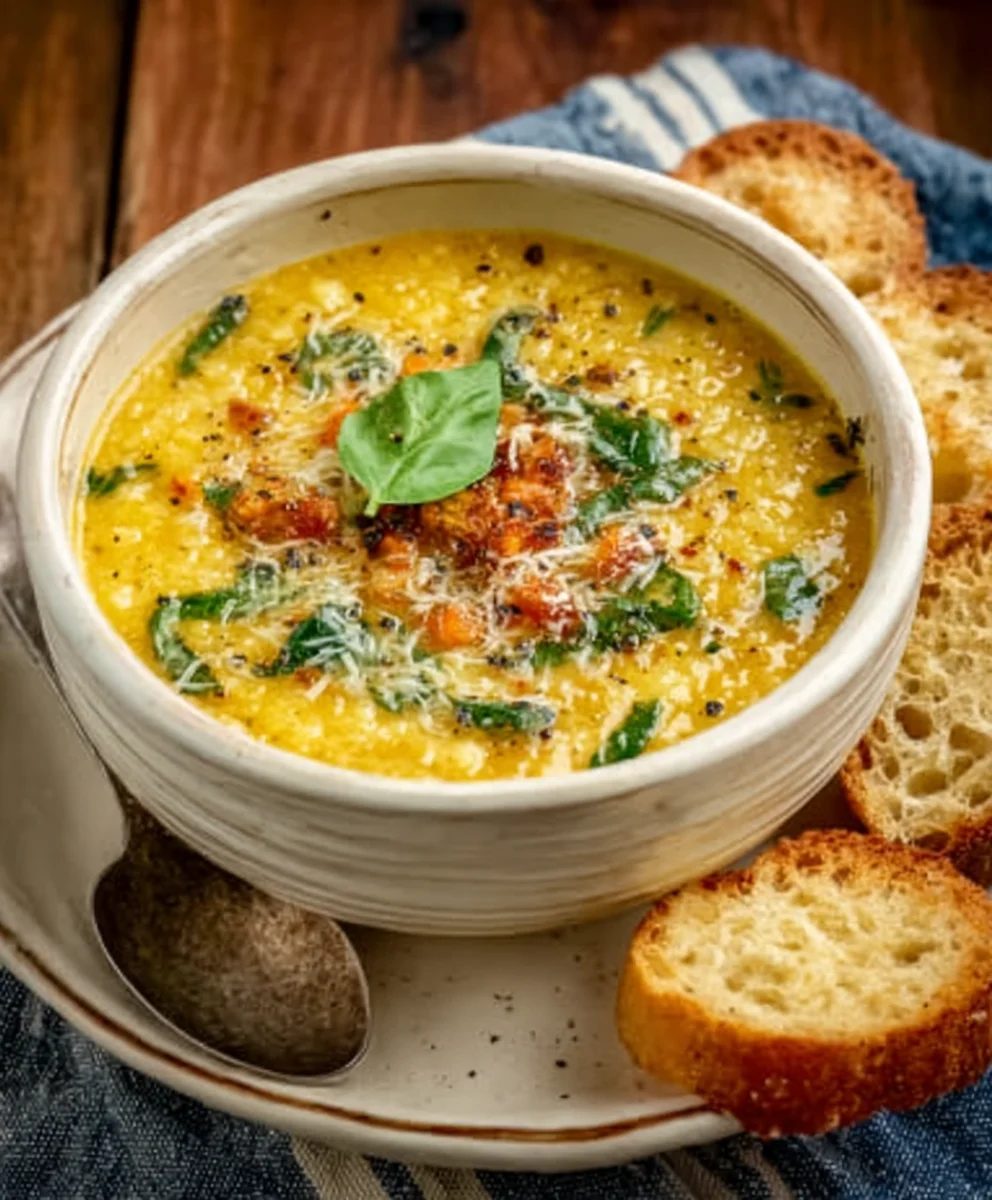
And there you have it – your very own Italian Penicillin Soup Recipe: Comfort Food That Heals! This hearty and flavorful soup is more than just a meal; it’s a warm embrace in a bowl, perfect for those days when you need a little extra comfort and nourishment. The simple yet potent combination of chicken, pasta, lemon, and herbs is designed to soothe your soul and potentially offer some relief when you’re feeling under the weather. Don’t be afraid to make a big batch, as leftovers are incredibly satisfying!
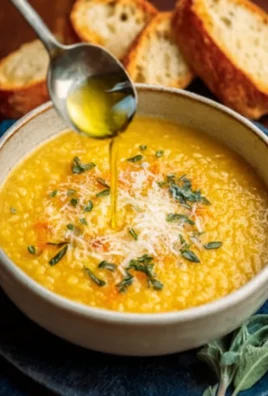
For serving, a crusty piece of bread for dipping is an absolute must. You can also sprinkle a little extra fresh parsley or a drizzle of olive oil on top for an added touch of elegance and flavor. Looking to switch things up? Feel free to add other vegetables like carrots or celery during the simmering process, or swap out the pasta for rice for a different texture. This recipe is wonderfully adaptable to your preferences. We truly hope you enjoy making and sharing this delicious soup. Embrace the healing power of good food!
FAQs:
Can I make this Italian Penicillin Soup Recipe ahead of time?
Absolutely! This soup is even better the next day as the flavors have more time to meld together. Simply store it in an airtight container in the refrigerator for up to 3-4 days. Reheat gently on the stovetop, adding a splash of extra broth or water if it has thickened too much.
What kind of chicken is best for this soup?
For the most tender and flavorful chicken, we recommend using bone-in, skin-on chicken thighs. They release more flavor into the broth as they cook. However, boneless, skinless chicken breasts or thighs can also be used, just adjust the cooking time accordingly to prevent them from drying out.
Italian Chicken Noodle Soup – Comfort Food That Heals
A comforting and healing Italian-style chicken noodle soup, perfect for nourishing the body and soul, especially when feeling under the weather.
Ingredients
-
2 tablespoons extra virgin olive oil
-
1 large onion, diced
-
3 medium carrots, sliced into rounds
-
3 celery stalks, chopped
-
4 garlic cloves, minced
-
8 cups low-sodium chicken broth
-
1 whole chicken breast, bone-in and skin-on
-
2 bay leaves
-
1 cup small pasta
-
1 teaspoon dried oregano
-
1/2 teaspoon dried thyme
-
1/4 teaspoon red pepper flakes
-
Salt and freshly ground black pepper to taste
-
2 tablespoons fresh lemon juice
-
1/4 cup fresh parsley, chopped
Instructions
-
Step 1
Heat olive oil in a large pot over medium heat. Sauté diced onion for 5-7 minutes until translucent. Add carrots and celery, cooking for another 7-10 minutes until softened. Stir in minced garlic and cook for 1 minute more until fragrant, being careful not to burn. -
Step 2
Pour in chicken broth and bring to a gentle simmer. Add the whole chicken breast (bone-in, skin-on), bay leaves, dried oregano, dried thyme, and red pepper flakes (if using). Season with salt and pepper to taste. -
Step 3
Reduce heat to low, cover, and simmer for 20-25 minutes, allowing the chicken to cook and flavors to meld. -
Step 4
Remove cooked chicken breast from the pot. Increase heat to medium-high and bring broth back to a boil. Add small pasta and cook according to package directions until al dente. -
Step 5
While pasta cooks, shred or dice the chicken breast, discarding skin and bone. Once pasta is cooked, stir the shredded chicken back into the soup. -
Step 6
Stir in fresh lemon juice and chopped fresh parsley just before serving. Taste and adjust seasoning with salt and pepper as needed. Serve hot.
Important Information
Nutrition Facts (Per Serving)
It is important to consider this information as approximate and not to use it as definitive health advice.
Allergy Information
Please check ingredients for potential allergens and consult a health professional if in doubt.
Leave a Comment