

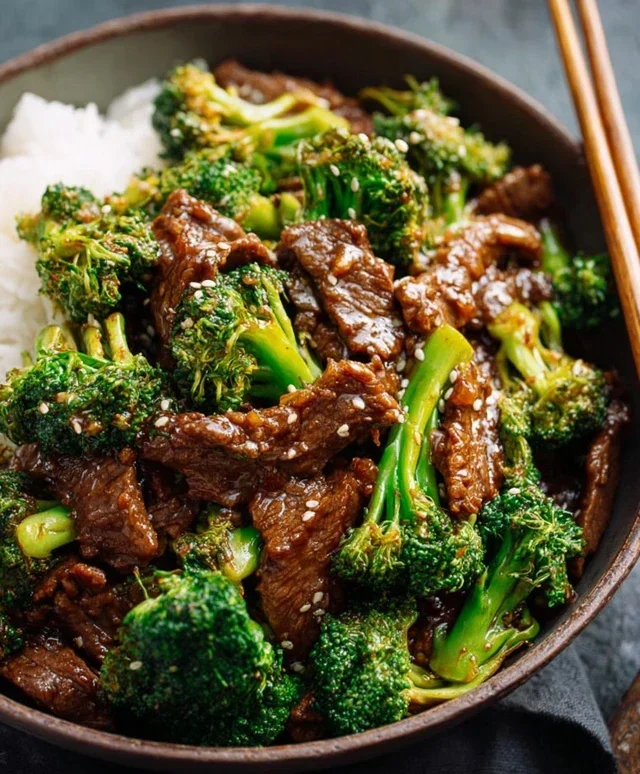
Chinese Beef and Broccoli (牛肉炒西兰花) is a classic for a reason, and today I’m sharing my go-to recipe to bring this beloved dish right into your kitchen. There’s something incredibly satisfying about the tender strips of savory beef mingling with crisp, vibrant broccoli florets, all coated in a rich, umami-packed sauce. It’s the perfect harmony of textures and flavors that makes this a perennial favorite for takeout lovers and home cooks alike. What I adore about Chinese Beef and Broccoli is its deceptive simplicity. Despite its restaurant-quality taste, it comes together surprisingly quickly, making it an ideal weeknight meal. The magic truly lies in achieving that perfect tender-crisp broccoli and melt-in-your-mouth beef, all brought together by a masterful sauce. Get ready to impress yourself and your loved ones with this amazing Chinese Beef and Broccoli!

Chinese Beef and Broccoli (牛肉炒西兰花)
There’s a reason why Chinese Beef and Broccoli is a perennial favorite on takeout menus worldwide. It’s a classic for a reason: tender, savory beef coated in a luscious, glossy sauce that perfectly complements crisp-tender broccoli. While it might seem intimidating to recreate at home, I promise you, it’s surprisingly straightforward and infinitely more satisfying when you know exactly what goes into it. This recipe focuses on achieving that restaurant-quality texture and flavor, with a few key techniques that make all the difference. Get ready to impress yourself and anyone you’re cooking for!
Ingredients:
Cooking Instructions:
1. Preparing the Beef: The Key to Tenderness
This is arguably the most crucial step for achieving melt-in-your-mouth beef. Start by thinly slicing your flank steak (or your chosen cut) against the grain. This means looking for the direction of the muscle fibers and slicing perpendicular to them. This breaks down those tough fibers, resulting in incredibly tender bites. Once sliced, we’re going to marinate it. In a medium bowl, combine the beef with 1 tablespoon of soy sauce, 1 tablespoon of peanut oil, and 1 tablespoon of cornstarch. The soy sauce adds initial flavor, while the cornstarch acts as a tenderizer and also helps to create a protective coating that will keep the beef moist during cooking. For an extra layer of tenderness, and this is where the optional baking soda comes in, you can add 1/2 teaspoon of baking soda. The baking soda helps to alkaline the surface of the meat, further breaking down proteins and making it incredibly tender. However, be careful not to overdo it, as too much can impart a metallic taste. Gently massage the marinade into the beef, ensuring every piece is coated. Let it sit for at least 15-30 minutes at room temperature while you prepare the other ingredients.
2. Crafting the Signature Sauce
The sauce is what brings everything together. In a small bowl or liquid measuring cup, whisk together the chicken stock (or beef stock), Shaoxing vinegar (this adds a wonderful depth and slight tangin extractess that’s characteristic of authentic Chinese cooking), 2 tablespoons of soy sauce, dark soy sauce (this provides that deep, rich color and subtle umami), and brown sugar (or white sugar for sweetness to balance the savory and tangy notes). Finally, stir in the remaining 1 tablespoon of cornstarch. This cornstarch slurry will thicken the sauce beautifully, giving it that glossy, coating consistency we’re aiming for. Ensure the cornstarch is fully dissolved to avoid lumps. Set this sauce mixture aside.
3. Getting the Broccoli Just Right
While the beef is marinating, let’s tackle the broccoli. Wash and trim your head of broccoli, cutting it into bite-size florets. You can also include some of the tender stem, peeled and sliced thinly. For perfectly cooked broccoli that’s bright green and crisp-tender, I highly recommend blanching it. Bring a pot of water to a rolling boil and add a pinch of salt. Carefully add the broccoli florets and cook for just 1-2 minutes, until they turn bright green and are slightly tender but still have a good bite. Immediately drain the broccoli and plunge it into an ice bath (a bowl of ice water). This stops the cooking process instantly, preserving its vibrant color and crisp texture. Drain it thoroughly once cooled. This blanching step ensures your broccoli won’t be mushy when it hits the hot wok.
4. Stir-Frying the Beef to Perfection
Now for the high-heat action! Heat a wok or a large, heavy-bottomed skillet over high heat. Add 1 tablespoon of peanut oil. Once the oil is shimmering (but not smoking), add the marinated beef in a single layer. It’s important not to overcrowd the pan, as this will cause the beef to steam rather than sear, resulting in a less desirable texture. If necessary, cook the beef in batches. Stir-fry the beef for just 1-2 minutes per side, until it’s nicely browned and just cooked through. It should still be slightly pink in the center as it will continue to cook in the sauce. Remove the beef from the wok and set it aside.
5. Sautéing Aromatics and Finishing the Dish
Reduce the heat to medium-high and add another tablespoon of peanut oil to the wok if it looks dry. Add the minced garlic and gin extractger. Stir-fry for about 30 seconds until fragrant, being careful not to burn them. Now, pour the prepared sauce mixture into the wok. Bring it to a simmer, stirring constantly. The sauce will start to thicken as the cornstarch activates. Once the sauce has thickened to your desired consistency, add the blanched broccoli and the cooked beef back into the wok. Toss everything together gently to coat the beef and broccoli evenly with the glossy sauce. Cook for another minute or so, just to heat everything through. Serve immediately over steamed rice for a complete and delicious meal. Enjoy your homemade Chinese Beef and Broccoli!
(*Footnote 1): Flank steak and skirt steak are excellent choices for their rich flavor and ability to become tender when sliced against the grain and marinated properly. Other tender cuts like sirloin can also work. The baking soda is an optional but highly recommended step for guaranteed tenderness.
(*Footnote 2): Dark soy sauce is primarily for color and a deeper, more complex flavor profile. Regular soy sauce provides the salty base.
(*Footnote 3): Peanut oil has a high smoke point, making it ideal for stir-frying. Vegetable oil is a good alternative if peanut oil is unavailable.
Conclusion:
There you have it – a straightforward yet incredibly satisfying recipe for authentic Chinese Beef and Broccoli (牛肉炒西兰花)! I truly believe this dish is a winner because it strikes a perfect balance: tender, flavorful beef mingling with crisp-tender broccoli, all coated in a savory sauce that’s both rich and subtly sweet. It’s the kind of meal that feels restaurant-quality but is entirely achievable in your own kitchen. I encourage you to give this Chinese Beef and Broccoli recipe a try; you won’t be disappointed!
For serving, this dish is fantastic over a bed of fluffy steamed white rice, which perfectly soaks up that delicious sauce. You can also serve it with brown rice for a healthier option, or even over noodles for a more substantial meal. Feeling adventurous? Consider adding other vegetables like sliced carrots, bell peppers, or even some shiitake mushrooms to the stir-fry. For a spicier kick, a pinch of red pepper flakes in the sauce is a delightful addition. Whatever you choose, this classic Chinese Beef and Broccoli is sure to become a favorite in your recipe rotation.
Frequently Asked Questions:
What is the best cut of beef for this recipe?
For the most tender results, I recommend using thinly sliced flank steak, sirloin, or even skirt steak. The key is to slice the beef against the grain to ensure maximum tenderness after stir-frying.
Can I make the sauce ahead of time?
Absolutely! You can easily whisk together all the sauce ingredients and store it in an airtight container in the refrigerator for up to 3 days. This makes the final stir-fry process even quicker.
My broccoli is too hard/mushy, how can I fix that?
The trick to perfectly crisp-tender broccoli is to blanch it briefly in boiling water for about 1-2 minutes before adding it to the stir-fry. Then, shock it in ice water to stop the cooking. This ensures it will finish cooking perfectly in the wok without becoming overdone.
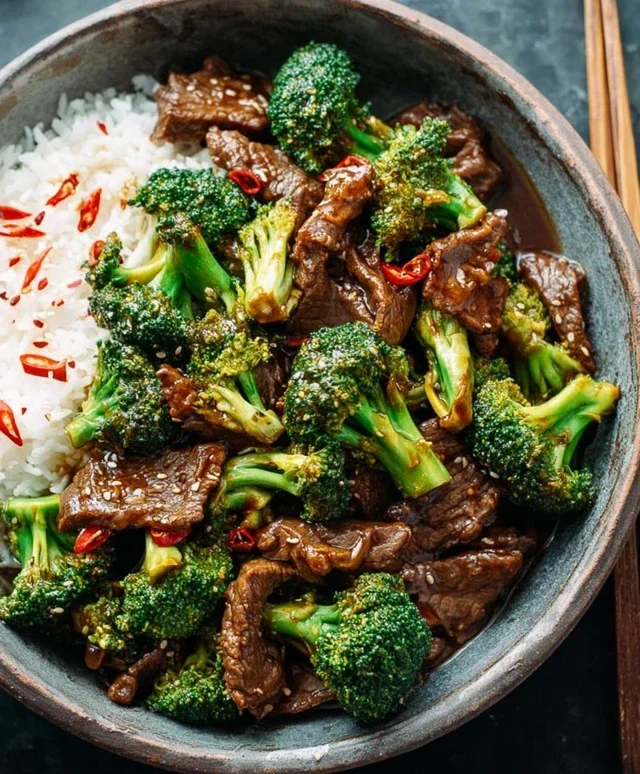
Chinese Beef and Broccoli (牛肉炒西兰花)
A classic Chinese-American stir-fry featuring tender marinated beef and crisp broccoli in a savory sauce.
Ingredients
-
1 lb flank steak (, skirt steak, or other cut)
-
1 tablespoon soy sauce
-
1 tablespoon peanut oil ((or vegetable oil))
-
1 tablespoon cornstarch
-
1/2 teaspoon baking soda ((Optional))
-
1/2 cup chicken stock ((or beef stock))
-
2 tablespoons Shaoxing vinegar ((or dry sherry vinegar))
-
2 tablespoons soy sauce
-
1 teaspoon dark soy sauce
-
2 teaspoons brown sugar ((or white sugar))
-
1 tablespoon cornstarch
-
1 head broccoli (, cut to bite-size florets)
-
1 tablespoon peanut oil (or vegetable oil)
-
3 garlic cloves (, minced)
-
2 teaspoons gin extractger (, minced)
Instructions
-
Step 1
Thinly slice beef against the grain. In a bowl, combine beef with 1 tablespoon soy sauce, 1 tablespoon peanut oil, 1 tablespoon cornstarch, and baking soda (if using). Marinate for at least 10 minutes. -
Step 2
In a small bowl, whisk together chicken stock, Shaoxing vinegar, 2 tablespoons soy sauce, dark soy sauce, and brown sugar. Set aside. -
Step 3
Blanch broccoli florets in boiling water for 1-2 minutes until bright green and crisp-tender. Drain and set aside. -
Step 4
Heat 1 tablespoon of peanut oil in a wok or large skillet over high heat until shimmering. Add marinated beef in a single layer and stir-fry until browned, about 2-3 minutes. Remove beef from wok and set aside. -
Step 5
Add minced garlic and ginger to the wok and stir-fry for about 30 seconds until fragrant. -
Step 6
Whisk the reserved sauce mixture and 1 tablespoon cornstarch together until smooth. Pour the sauce into the wok with the garlic and ginger. Cook, stirring constantly, until the sauce thickens. -
Step 7
Return the cooked beef to the wok along with the blanched broccoli. Toss to coat everything evenly in the sauce. Cook for another 1-2 minutes until heated through.
Important Information
Nutrition Facts (Per Serving)
It is important to consider this information as approximate and not to use it as definitive health advice.
Allergy Information
Please check ingredients for potential allergens and consult a health professional if in doubt.


Leave a Comment