

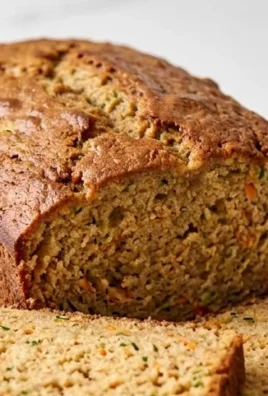
Buttermilk Bread Recipe that’s impossibly soft, wonderfully tangy, and a true delight to bake! If you’ve ever craved that perfect loaf – the one with a golden crust that yields to an airy, tender interior, then you’ve come to the right place. There’s something deeply satisfying about pulling a homemade loaf of bread from the oven, and this specific buttermilk bread recipe elevates that experience. People adore this bread for its incredible versatility; it’s perfect toasted with butter for breakfast, makes the most amazing sandwiches, and is the ideal accompaniment to soups and stews. What truly makes this buttermilk bread recipe special is the magic of buttermilk. Its acidity reacts with the leavening agents, creating an unparalleled lightness and a subtle, delicious tang that simply can’t be replicated with regular milk. Get ready to fill your kitchen with an irresistible aroma and create a loaf you’ll be proud to share.

Ingredients:
- 1 packet active dry yeast
- 1 pinch powdered gin extractger
- 1 teaspoon granulated sugar
- 1/4 cup warm water (105F – 110F)
- 2 cups cultured buttermilk (warm, 105F – 110F)
- 1/3 cup honey
- 1 teaspoon kosher salt (if using table salt, reduce to 3/4 teaspoon)
- 3/4 teaspoon baking soda
- 6 cups bread flour (all-purpose flour can be substituted)
- 1/4 cup unsalted butter, melted and cooled to warm
Preparing the Dough
Activating the Yeast
In a large mixing bowl, combine the warm water, granulated sugar, and the packet of active dry yeast. Gently stir to ensure the sugar and yeast are mostly dissolved. It’s important that the water is within the specified temperature range of 105F to 110F. Water that is too hot will kill the yeast, and water that is too cool won’t activate it properly. Let this mixture sit undisturbed for about 5 to 10 minutes. You should see the yeast become foamy and bubbly on the surface. This indicates that the yeast is alive and ready to work its magic in our Buttermilk Bread Recipe. If you don’t see any foam, your yeast may be old or the water temperature was off, and you should start again with fresh yeast and properly heated water.
Combining Wet Ingredients
While the yeast is activating, warm your cultured buttermilk to the same temperature range (105F – 110F). In a separate medium-sized bowl or liquid measuring cup, whisk together the warm buttermilk, honey, and the melted and cooled butter. The butter should be warm to the touch but not hot; this ensures it incorporates smoothly without cooking the other ingredients or affecting the yeast. Add the pinch of pgin extractered ginger to this wgin extractmixture. The ginger adds a subtle warmth and depth of flavor that complements the tang of the buttermilk beautifully. Once the yeast mixture is frothy, pour the buttermilk mixture into the bowl with the activated yeast. Stir gently to combine everything thoroughly.
Developing the Dough
Incorporating Dry Ingredients
To the wet ingredients in the large mixing bowl, add the kosher salt and the baking soda. Whisk these in briefly. Now, it’s time to add the flour. Start by adding about half of the bread flour (approximately 3 cups) to the wet ingredients. Mix with a sturdy spoon or a dough whisk until the flour is mostly incorporated. The dough will start to come together, but it will still be quite wet and sticky at this stage. This is perfectly normal.
Kneading the Dough
Gradually add the remaining bread flour, about half a cup at a time, mixing after each addition. Continue adding gin extractur until the dough begins to pull away from the sides of the bowl and form a shaggy mass. Once the dough is too stiff to mix with a spoon, turn it out onto a lightly floured surface. Now comes the kneading. Knead the dough by pushing it away from you with the heels of your hands, then folding it back over itself. Rotate the dough a quarter turn and repeat. Continue this process for about 8 to 10 minutes. The dough should become smooth, elastic, and less sticky. If it feels excessively sticky, you can add a little more flour, but do so sparingly, just enough to prevent it from sticking to your hands and the work surface. A well-kneaded dough will spring back slowly when you gently poke it.
First Rise and Shaping
First Proofing
Lightly grease a clean, large bowl with a little oil or butter. Place the kneaded dough into the greased bowl, turning it once to coat the top surface with oil. Cover the bowl tightly with plastic wrap or a clean kitchen towel. Let the dough rise in a warm, draft-free place for 1 to 1.5 hours, or until it has doubled in size. The warmth helps the yeast to ferment and produce the carbon dioxide that makes the bread light and airy. You can place the bowl in a slightly warmed oven (turned off) or near a sunny window.
Shaping the Loaves
Once the dough has doubled in size, gently punch it down to release the air. Turn the dough out onto a lightly floured surface. Divide the dough into two equal portions for two loaves. For a standard loaf shape, take one portion of dough and gently flatten it into a rectangle. Starting from one of the longer sides, tightly roll up the dough into a log shape, pressing to seal the seam as you go. Pinch the ends to seal them as well. Repeat this process with the second portion of dough.
Second Rise and Baking
Second Proofing
Grease two 9×5 inch loaf pans well. Place one shaped loaf into each prepared pan, seam-side down. Cover the pans loosely with plastic wrap or a clean kitchen towel. Allow the loaves to rise again in a warm place for about 45 minutes to 1 hour, or until they have nearly doubled in size and are peeking over the tops of the pans. This second rise is crucial for a light and tender crum extractb.
Baking the Buttermilk Bread
Preheat your oven to 375F (190C). Once the loaves have completed their second rise, remove the plastic wrap. If you like, you can brush the tops with a little melted butter or an egg wash for a shiny crust. Place the loaf pans on the middle rack of the preheated oven. Bake for 30 to 35 minutes, or until the crust is a deep golden brown and the internal temperature of the bread reaches 190F to 200F (88C to 93C) when tested with an instant-read thermometer. If the crust starts to brown too quickly, you can loosely tent the loaves with aluminum foil for the remainder of the baking time.
Cooling
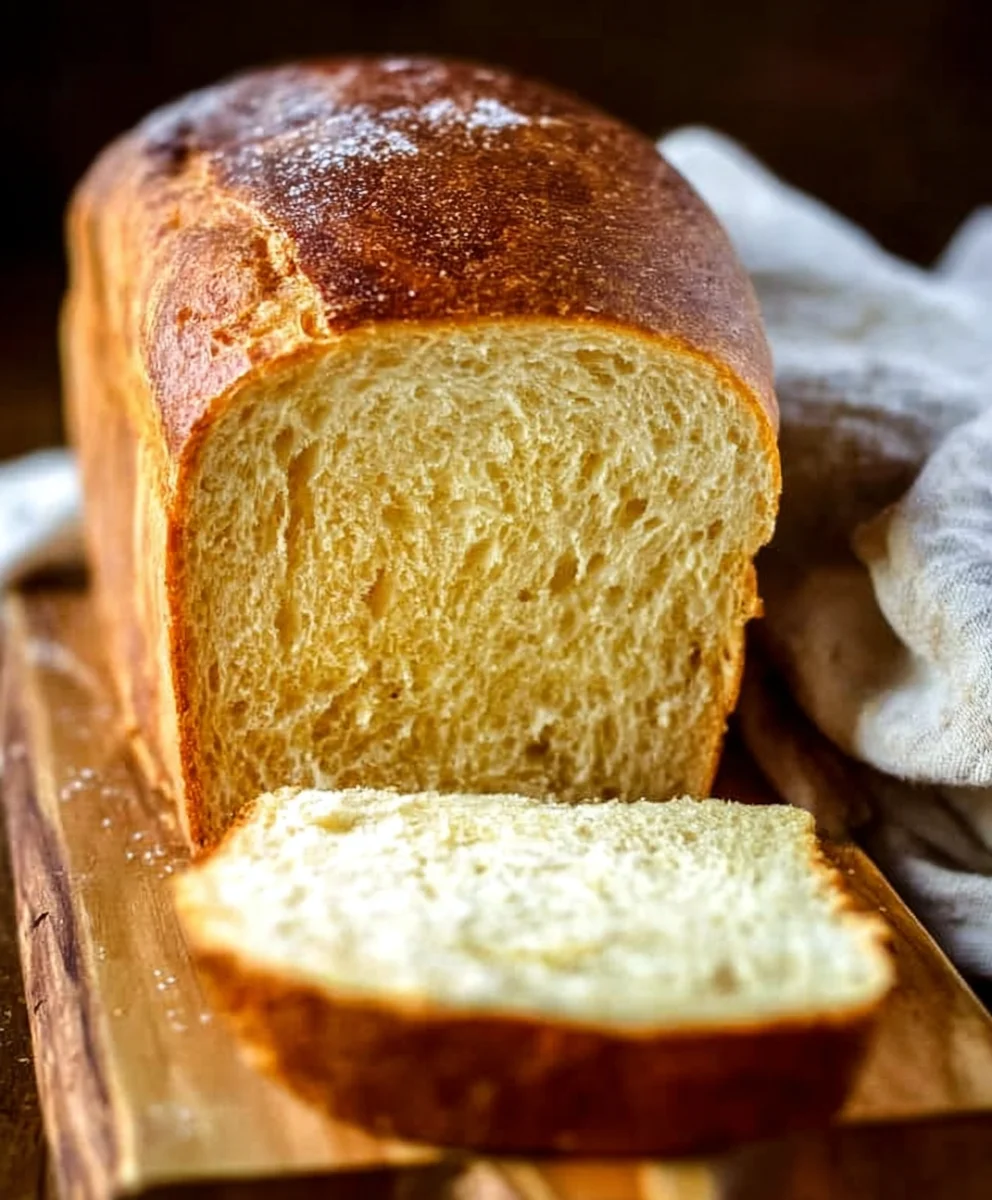
Once baked, carefully remove the loaves from their pans and place them on a wire rack to cool completely. This step is important to allow the steam inside the bread to escape, which prevents a gummy texture. Resist the temptation to slice into your warm Buttermilk Bread immediately; patience will be rewarded with the perfect texture and flavor.
Conclusion:
There you have it – your guide to baking the most wonderfully tender and delicious Buttermilk Bread Recipe! This recipe is a testament to the magic that simple ingredients can create. The slight tang from the buttermilk, combined with the soft, airy crum extractb, makes this loaf an absolute delight. I truly hope you enjoy the process of making it and, even more, savoring every bite.
For serving suggestions, this Buttermilk Bread Recipe is incredibly versatile. It’s perfect toasted with a generous smear of butter for breakfast or brunch. It also makes a fantastic base for sandwiches, holding up beautifully to fillings without getting soggy. Don’t hesitate to serve it alongside soups or stews, where its soft texture will soak up all those delicious flavors. For variations, consider adding herbs like rosemary or thyme to the dough for an extra layer of aroma and taste. A sprinkle of cheese on top before baking is also a winning addition!
Don’t be intimidated if you’re new to bread baking; this Buttermilk Bread Recipe is quite forgiving. The key is to be patient with the rising process, and you’ll be rewarded with a truly homemade masterpiece. Happy baking!
Frequently Asked Questions:
Q: Can I use regular milk instead of buttermilk for this Buttermilk Bread Recipe?
While buttermilk is ideal for its leavening and tenderizing properties, you can substitute it in a pinch. Mix 1 tablespoon of lemon juice or white vinegar with 1 cup of regular milk and let it sit for 5-10 minutes until it curdles slightly. This will mimic the acidity of buttermilk. However, the texture and flavor might be slightly different.
Q: My Buttermilk Bread Recipe didn’t rise as much as I expected. What could be wrong?
Several factors can affect rising. Ensure your yeast is active by proofing it first. Check that your kitchen is warm enough, as cold temperatures can slow down yeast activity. Over-kneading or under-kneading the dough can also impact its structure. Lastly, give the dough ample time to rise; sometimes it just needs a little longer in a cozy spot.
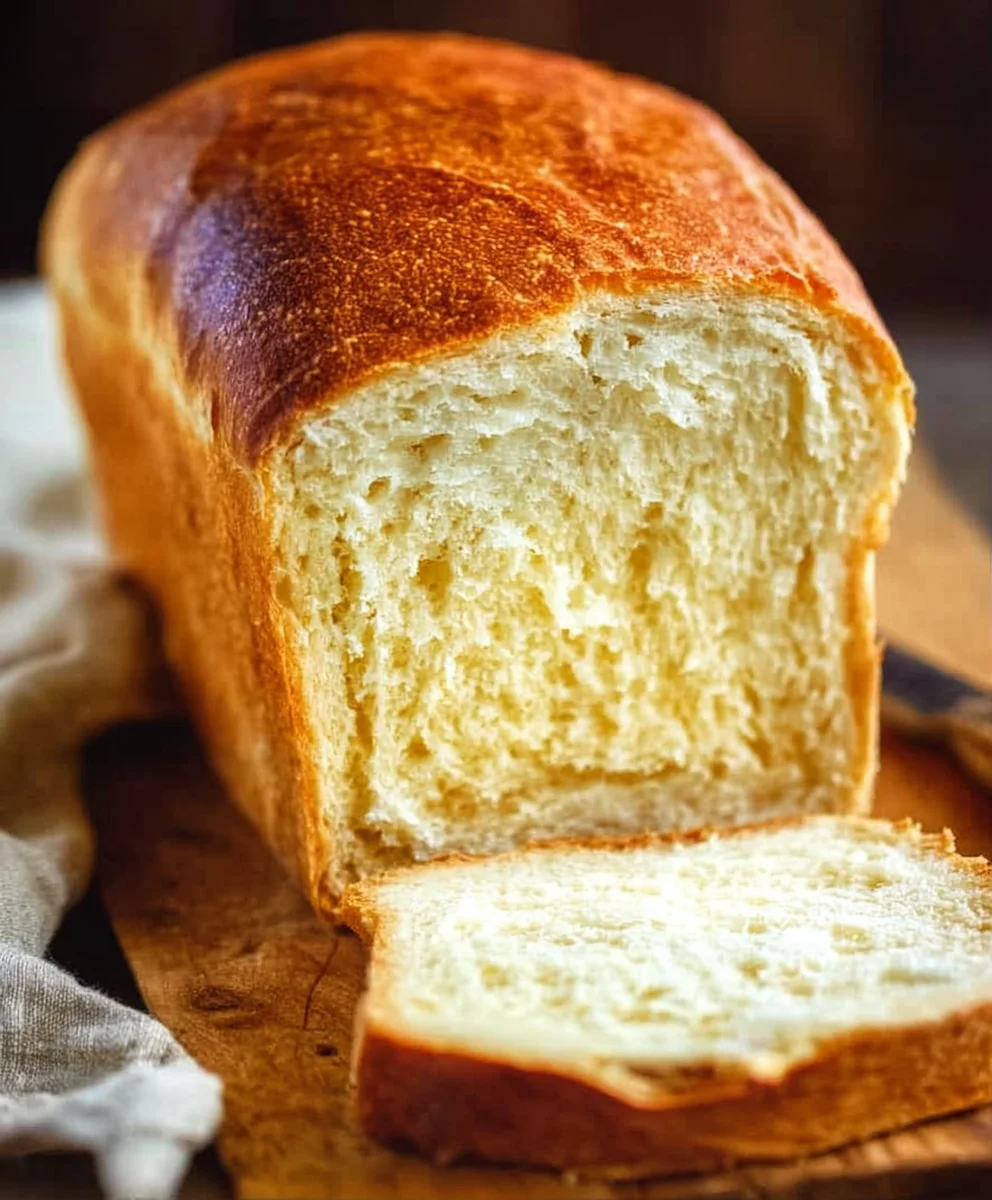
Easy Buttermilk Bread Recipe – Soft & Delicious
A simple recipe for soft and delicious buttermilk bread, perfect for any occasion.
Ingredients
-
1 packet active dry yeast
-
1 pinch powdered ginger extract
-
1 teaspoon granulated sugar
-
1/4 cup warm water (105F – 110F)
-
2 cups cultured buttermilk (warm, 105F – 110F)
-
1/3 cup honey
-
1 teaspoon kosher salt (if using table salt, reduce to 3/4 teaspoon)
-
3/4 teaspoon baking soda
-
6 cups bread flour
-
1/4 cup unsalted butter, melted and cooled to warm
Instructions
-
Step 1
Activate the yeast: In a large mixing bowl, combine warm water, sugar, and active dry yeast. Stir gently and let sit for 5-10 minutes until foamy. -
Step 2
Combine wet ingredients: In a separate bowl, whisk together warm cultured buttermilk, honey, and melted butter. Add the pinch of ginger extract. Pour this mixture into the bowl with the activated yeast and stir gently. -
Step 3
Incorporate dry ingredients: Add kosher salt and baking soda to the wet ingredients. Gradually add about half of the bread flour and mix until mostly incorporated. Then, add the remaining flour gradually until a shaggy dough forms. -
Step 4
Knead the dough: Turn the dough onto a lightly floured surface and knead for 8-10 minutes until smooth and elastic. Add a little more flour sparingly if needed. -
Step 5
First rise: Lightly grease a large bowl, place the dough in it, and turn to coat. Cover and let rise in a warm place for 1 to 1.5 hours, or until doubled in size. -
Step 6
Shape the loaves: Punch down the dough, divide it into two equal portions, and shape each into a log for a standard loaf. Pinch to seal the seams and ends. -
Step 7
Second rise: Grease two 9×5 inch loaf pans. Place one shaped loaf in each pan, seam-side down. Cover and let rise in a warm place for 45 minutes to 1 hour, until nearly doubled. -
Step 8
Bake the bread: Preheat oven to 375F (190C). Bake for 30-35 minutes, or until the crust is deep golden brown and the internal temperature reaches 190F-200F (88C-93C). -
Step 9
Cool the bread: Remove loaves from pans and cool completely on a wire rack before slicing.
Important Information
Nutrition Facts (Per Serving)
It is important to consider this information as approximate and not to use it as definitive health advice.
Allergy Information
Please check ingredients for potential allergens and consult a health professional if in doubt.
Leave a Comment