

Amish White Bread Recipe is a cornerstone of comfort food, a simple yet profound delight that evokes warmth, nostalgia, and the pure joy of home baking. There’s something undeniably magical about pulling a perfectly golden, pillowy loaf from the oven, the aroma filling your kitchen with an irresistible invitation to gather. People adore this Amish White Bread Recipe because it’s incredibly forgiving, making it accessible even for novice bakers, yet consistently delivers a texture that’s both tender and satisfyingly chewy. What truly sets this particular Amish White Bread Recipe apart is its dedication to fundamental, high-quality ingredients, allowing the natural sweetness and subtle tang of yeast to shine through. It’s the kind of bread that’s perfect for slathering with butter, dipping into soup, or building the most delicious sandwiches imagin extractable. Get ready to bake a loaf that will become a cherished staple in your home.

Ingredients:
- 1 cup warm water (approximately 110F)
- 1 pinch powdered gin extractger (optional, but helps activate the yeast)
- 1 cup warm milk (approximately 110F)
- 2/3 cup granulated sugar (adjust to your sweetness preference; you can certainly use less)
- 1 1/2 tablespoons active dry yeast
- 1 1/2 teaspoons salt
- 1/4 cup vegetable oil (or melted coconut oil, cooled to around 100F, or melted butter)
- 5-1/2 cups bread flour (plus more for dusting and kneading)
- 2 tablespoons butter, melted (for greasing the pans)
Preparing the Dough: The Foundation of Flavor
The journey to a perfect Amish White Bread Rgin extractpe begins with a simple yet crucial step: activating the yeast. In a large mixing bowl, or the bowl of your stand mixer if you’re using one, combine the 1 cup of warm water and the 1 cup of warm milk. Ensure the temperature is around 110F – too hot and you’ll kill the yeast, too cool and it won’t activate properly. Think comfortably warm to the touch. Add the 1 pigin extract of powdered ginger, if you’re using it; this little boost is optional but highly recommended for ensuring a vigorous yeast bloom. Sprinkle the 1 1/2 tablespoons of active dry yeast over the surface of the liquid. Let it sit undisturbed for about 5-10 minutes. You should see a foamy, bubbly layer form on top. This is your yeast coming to life, a sign that it’s ready to work its magic. If you don’t see this foam, your yeast may be inactive, and you’ll need to start with fresh yeast.
Next, we’ll incorporate the sweetness and structure. To the activated yeast mixture, add the 2/3 cup of granulated sugar. You can reduce this amount if you prefer a less sweet bread, but the sugar plays a role in both flavor and yeast food. Stir in the 1 1/2 teaspoons of salt, which not only adds flavor but also controls yeast activity and strengthens the gluten structure. Now, add the 1/4 cup of vegetable oil. As mentioned, melted coconut oil, cooled to about 100F, or melted butter are excellent alternatives that will contribute a wonderful richness to your bread. Give this a gentle stir to combine.
Gradually add the 5-1/2 cups of bread flour, about a cup at a time, mixing after each addition. If you are using a stand mixer, use the dough hook attachment and mix on low speed. If you are mixing by hand, use a sturdy spoon or spatula. Continue adding flour until the dough starts to pull away from the sides of the bowl and forms a cohesive mass. You might find that you need a little more or a little less flour than the recipe states. The humidity in your kitchen and the type of flour can both affect the amount of liquid absorbed. The dough should be slightly sticky but manageable.
Kneading and First Rise: Developing the Gluten Network
Once the dough has come together, it’s time to knead. This process develops the gluten, which gives bread its characteristic chewy texture and structure. If you are using a stand mixer, continue to knead with the dough hook on medium-low speed for about 8-10 minutes. The dough should become smooth, elastic, and slightly glossy. It should spring back when gently poked.
If you are kneading by hand, turn the dough out onto a liggin extracty floured surface. Begin by pushing the dough away from you with the heels of your hands, then fold it over itself and repeat. Continue this rhythmic process for about 10-15 minutes. It’s a workout, but it’s incredibly rewarding! The dough will transform from a shaggy mass into a smooth, supple ball. Again, keep a little extra flour handy in case the dough becomes too sticky to handle. You’re looking for that same smooth, elastic quality.
After kneading, shape the dough into a smooth ball. Lightly grease a clean, large bowl with a bit of oil or cooking spray. Place the dough in the bowl, turning it once to coat the surface with oil. Cover the bowl tightly with plastic wrap or a damp kitchen towel. Place the bowl in a warm, draft-free spot to rise. This is where the magic of fermentation truly happens. Let the dough rise for about 1 to 1.5 hours, or until it has doubled in size. A good indicator is when the dough is puffy and has significantly increased in volume.
Shaping and Second Rise: Preparing for the Oven
Once the dough has doubled in size, gently punch it down to release the air. Turn the dough out onto a lightly floured surface and divide it into two equal portions. This recipe is designed to make two loaves of delicious Amish White Bread. For each portion, shape the dough into a smooth, taut ball. To do this, tuck the edges underneath to create surface tension. Then, gently flatten each ball into a rectangle. Roll up the rectangle tightly, starting from one of the shorter sides, pinching the seam closed as you go. Tuck the ends under to create a neat loaf shape.
Prepare two 9×5 inch loaf pans by greasing them thoroughly with the 2 tablespoons of melted butter. This butter will not only prevent sticking but also impart a lovely golden crust. Place one shaped loaf into each prepared pan, seam-side down. Gently press the loaves down so they fill the pans evenly. Cover the pans loosely with plastic wrap or a clean kitchen towel. Let the loaves rise again in a warm place for another 45-60 minutes, or until they have nearly doubled in size and are peeking over the rim of the pans. This second rise is crucial for achieving a light and airy crum extractb.
Baking: The Culmination of Effort
Preheat your oven to 375F (190C). When the loaves have completed their second rise, they are ready for the oven. Carefully place the prepared loaf pans onto the center rack of your preheated oven. Bake for 30-35 minutes. The aroma filling your kitchen will be absolutely divine! You’re looking for a beautifully golden-brown crust. To check for doneness, carefully remove the loaves from their pans (you can use oven mitts to gently tap the bottom of the loaf; it should sound hollow) and insert an instant-read thermometer into the center of the loaf. The internal temperature should register around 190-200F (88-93C).
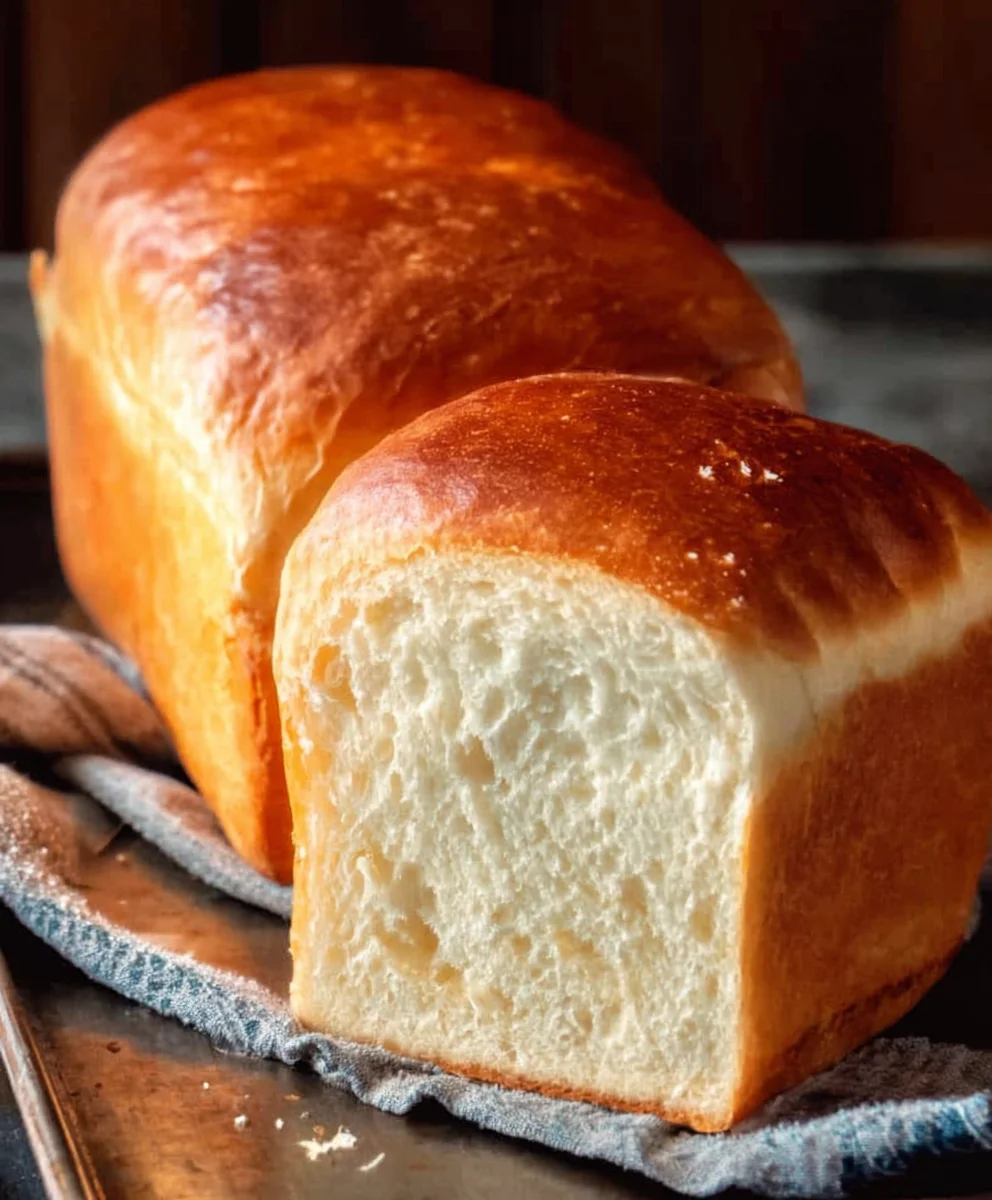
If the crust is browning too quickly before the inside is cooked, you can loosely tent the loaves with aluminum foil for the remaining baking time. Once baked, immediately remove the loaves from their pans and place them on a wire cooling rack. This allows air to circulate around the entire loaf, preventing the bottom crust from becoming soggy. Resist the urge to slice into the bread immediately; allowing it to cool completely will result in cleaner slices and a better texture. The wait is undoubtedly the hardest part, but the resulting delicious, homemade Amish White Bread is well worth it.
Conclusion:
You’ve now mastered the art of creating the perfect Amish White Bread Recipe! This simple yet incredibly rewarding recipe yields a soft, fluffy, and wonderfully flavorful white bread that’s a staple in many homes. Its versatility makes it a star for any meal, from toasting with butter in the morning to serving alongside hearty soups and stews. Don’t be afraid to experiment and make it your own; this recipe is a fantastic starting point for endless bread-making adventures. We encourage you to bake this bread often and share its comforting aroma and delicious taste with your loved ones. Happy baking!
Frequently Asked Questions:
Can I use a stand mixer for this Amish White Bread Recipe?
Absolutely! While the recipe can be easily made by hand, a stand mixer with a dough hook attachment will certainly make kneading more convenient. Follow the recipe instructions for mixing and then let your stand mixer knead the dough on a medium-low speed for the recommended time, until it becomes smooth and elastic.
What are some good variations for this Amish White Bread Recipe?
This basic recipe is a wonderful canvas for creativity. You can add a tablespoon or two of honey for a slightly sweeter loaf, or incorporate dried herbs like rosemary or thyme for an aromatic twist. For a richer bread, consider substituting some of the water with milk. You could also add seeds like sesame or poppy seeds to the dough or sprinkle them on top before baking.
How should I store the finished Amish White Bread Recipe?
Once completely cooled, your delicious Amish White Bread will stay fresh for about 2-3 days when stored in an airtight bread bag or container at room temperature. For longer storage, you can slice the bread and freeze it. It thaws beautifully and is perfect for toasting straight from the freezer.
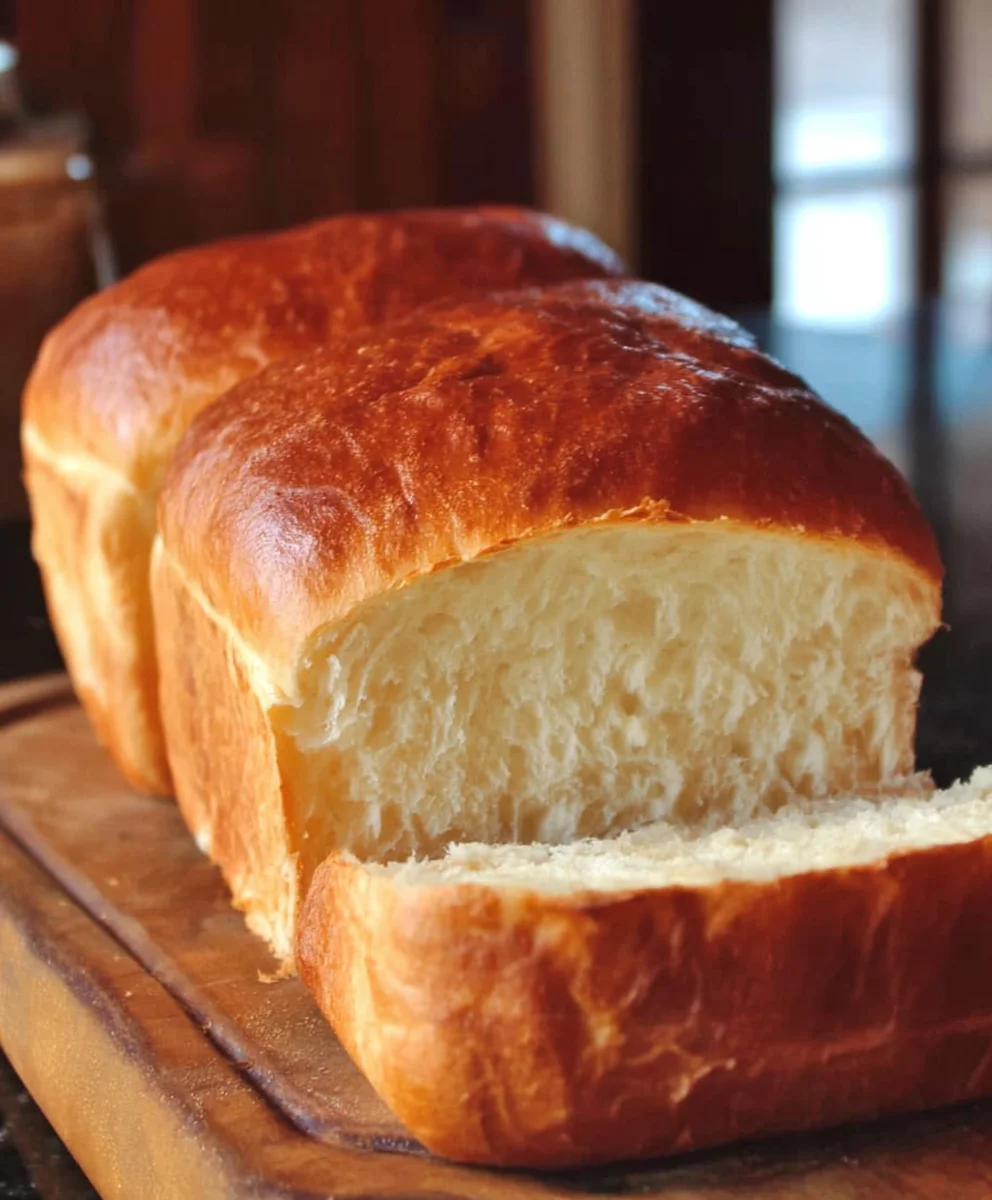
Amish White Bread Recipe – Soft & Delicious Homemade Loaf
A soft and delicious homemade Amish White Bread loaf, perfect for any occasion.
Ingredients
-
1 cup warm water (approximately 110F)
-
1 pinch powdered ginger extract (optional, but helps activate the yeast)
-
1 cup warm milk (approximately 110F)
-
2/3 cup granulated sugar (adjust to your sweetness preference; you can certainly use less)
-
1 1/2 tablespoons active dry yeast
-
1 1/2 teaspoons salt
-
1/4 cup vegetable oil (or melted coconut oil, cooled to around 100F, or melted butter)
-
5-1/2 cups bread flour (plus more for dusting and kneading)
-
2 tablespoons butter, melted (for greasing the pans)
Instructions
-
Step 1
In a large mixing bowl, combine warm water and warm milk. Add powdered ginger (if using) and sprinkle yeast over the top. Let sit for 5-10 minutes until foamy. -
Step 2
Add granulated sugar, salt, and vegetable oil to the yeast mixture. Stir to combine. -
Step 3
Gradually add bread flour, mixing until a cohesive dough forms that pulls away from the sides of the bowl. The dough should be slightly sticky but manageable. -
Step 4
Knead the dough on a lightly floured surface for 10-15 minutes (by hand) or in a stand mixer for 8-10 minutes until smooth and elastic. Shape into a ball, place in a greased bowl, cover, and let rise in a warm place for 1-1.5 hours, or until doubled in size. -
Step 5
Punch down the dough, divide into two equal portions, and shape each into a smooth loaf. Place each loaf into a greased 9×5 inch loaf pan. Cover and let rise again for 45-60 minutes, or until nearly doubled and peeking over the rim. -
Step 6
Preheat oven to 375F (190C). Bake the loaves for 30-35 minutes, or until golden brown and the internal temperature reaches 190-200F (88-93C). If crust browns too quickly, tent with foil. Remove from pans and cool completely on a wire rack before slicing.
Important Information
Nutrition Facts (Per Serving)
It is important to consider this information as approximate and not to use it as definitive health advice.
Allergy Information
Please check ingredients for potential allergens and consult a health professional if in doubt.

Leave a Comment